





Project Manager
About / The studio
A real team, building websites that win customers
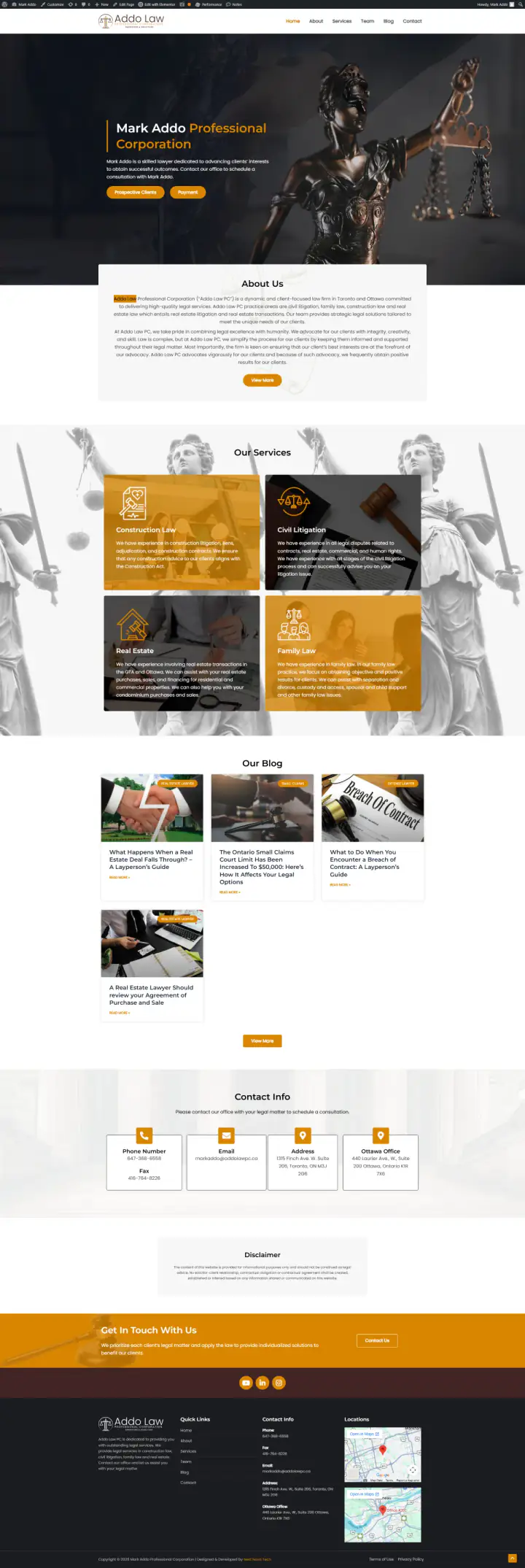
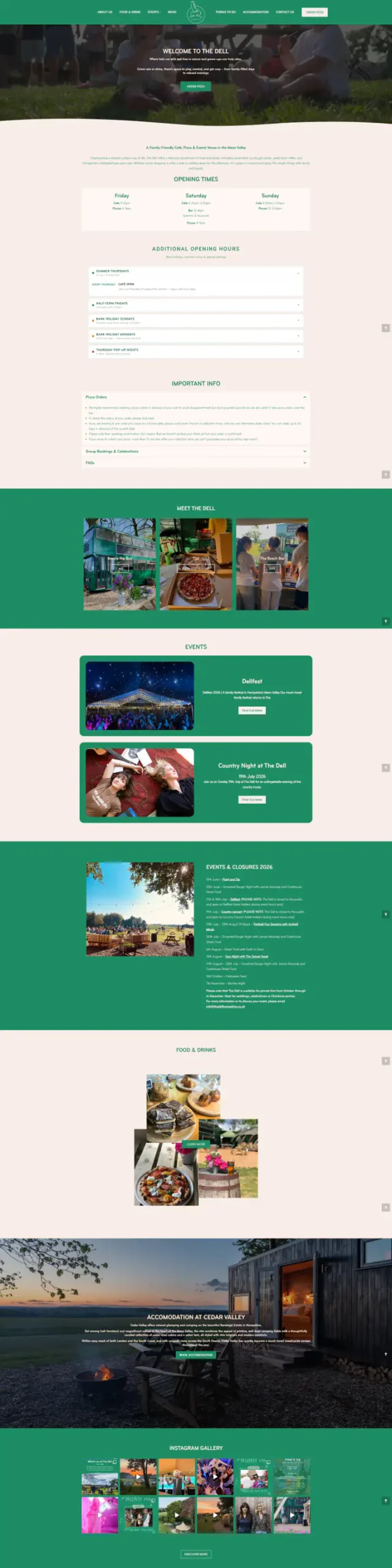
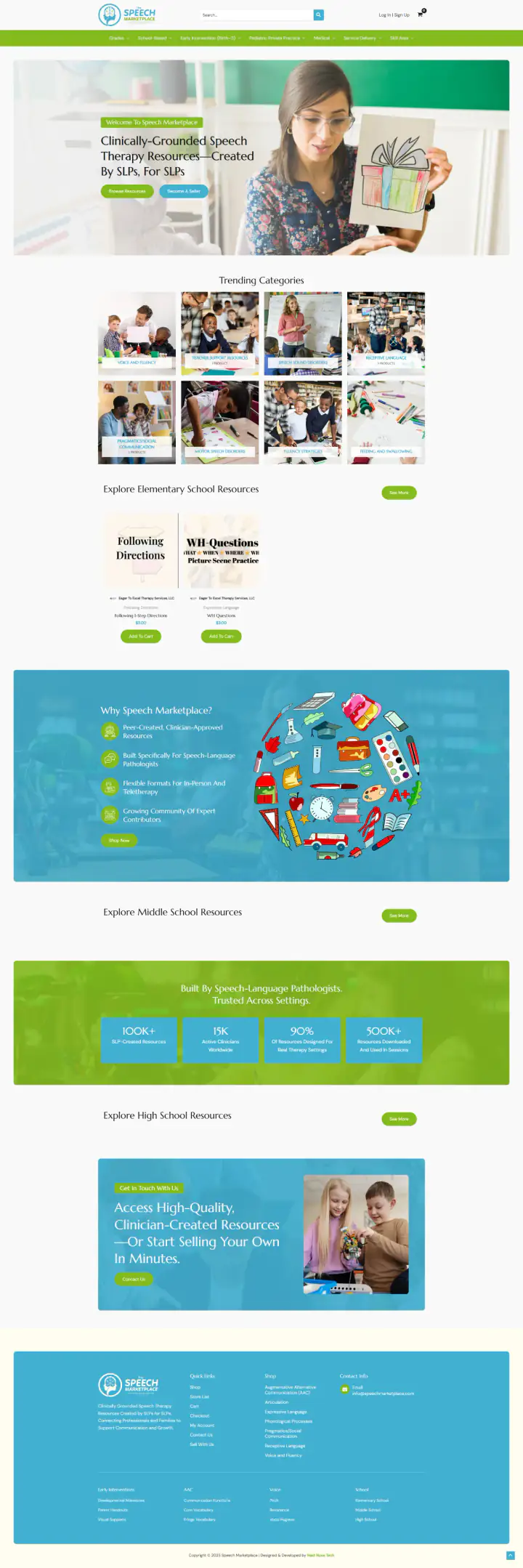
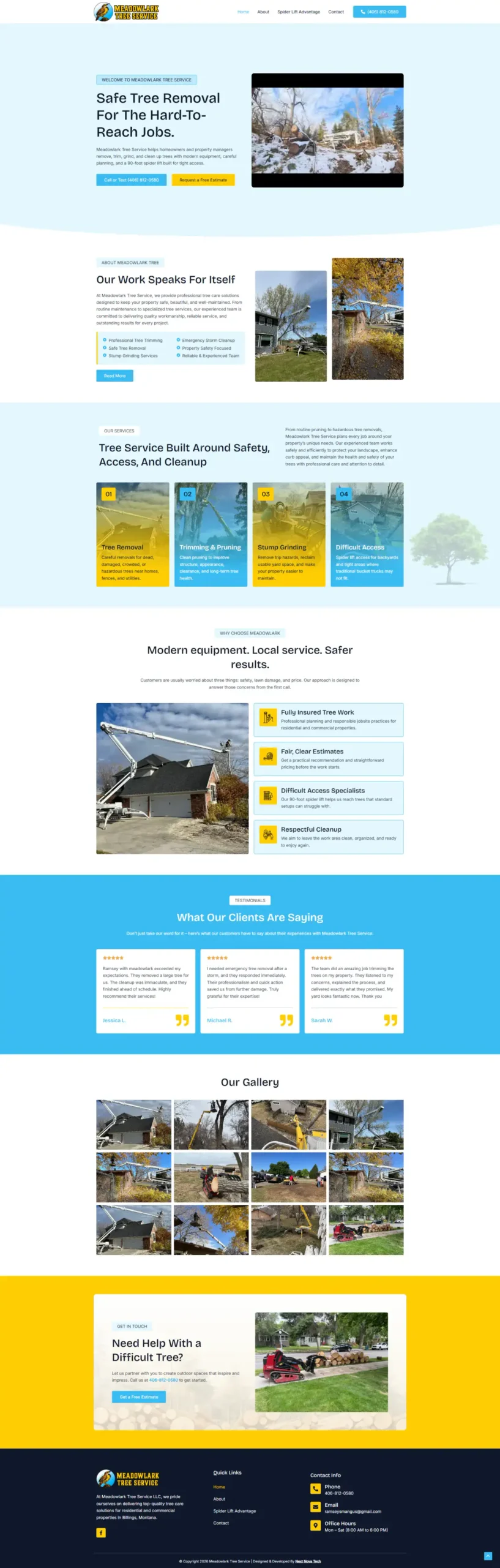
Next Nova Technologies is a web design and growth studio founded by Ibrahim Shah. Our designers, developers and marketers have shipped 1,500+ projects for 1,100+ small businesses, mostly in the US, Canada and the UK. We work from Abbottabad, Pakistan, and plan our day around North American hours.
Trusted by 1,100+ small businesses
















01 Our story
Ibrahim has been building CMS websites since 2017 and holds a degree in Network Engineering. He now leads a small team serving service businesses, startups and agencies in the US, UK and Australia.
Today we’re a registered IT exporter with PSEB, and most of our work still comes from referrals.

02 Meet the team
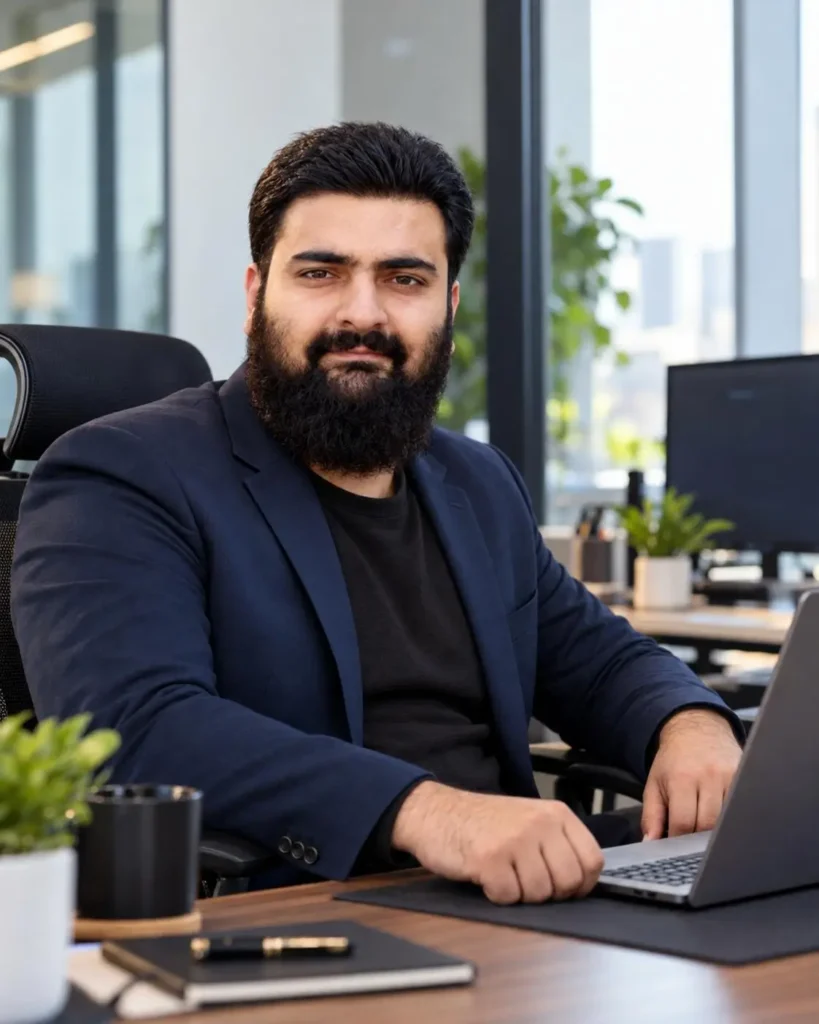
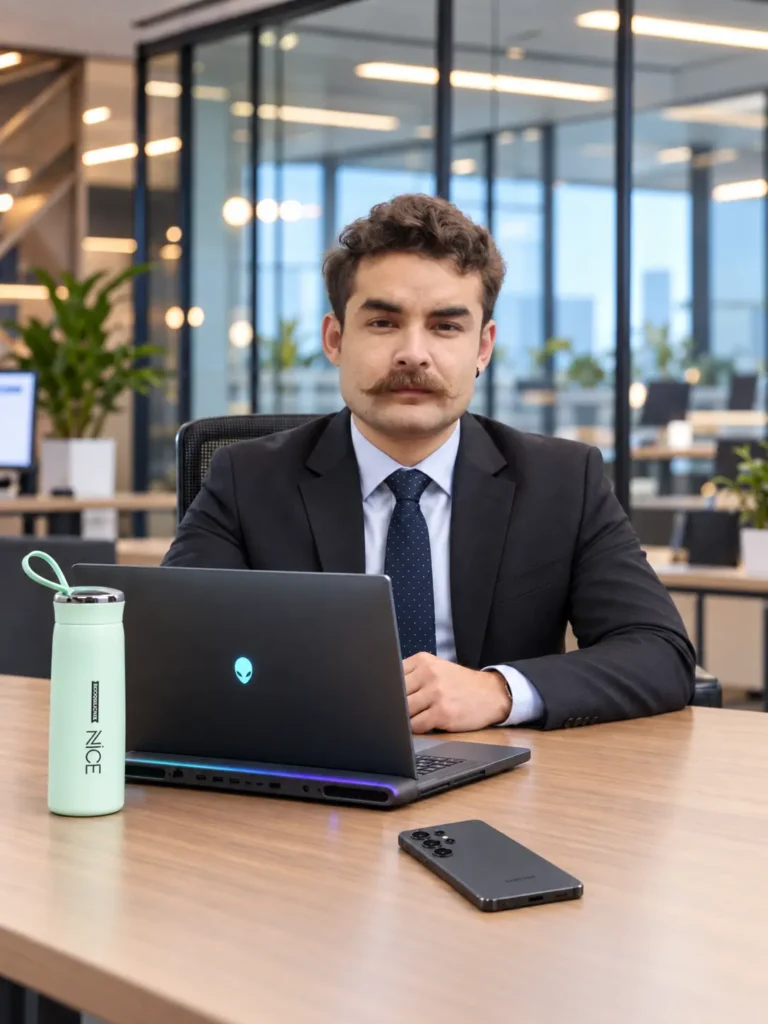
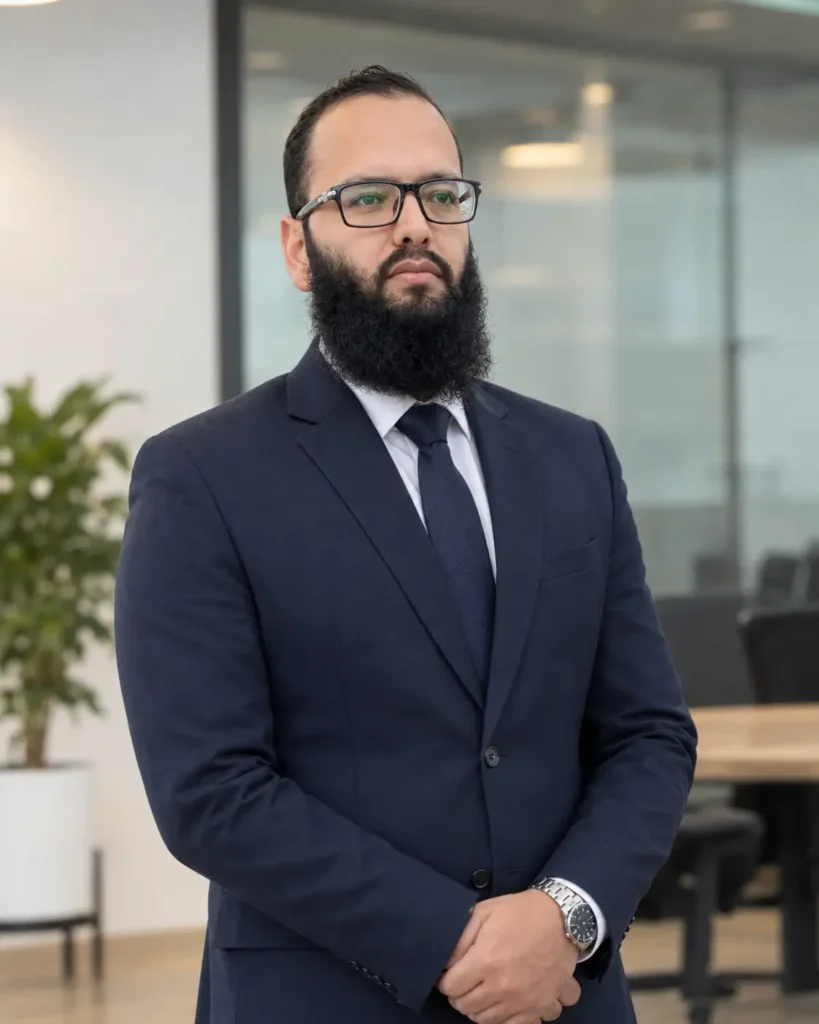
Project managers, developers and designers, working your hours. Your first call is with a senior person, not a salesperson.
Project Manager

Team Lead
Team Lead
Sr. Developer

Sr. Developer
Web Designer
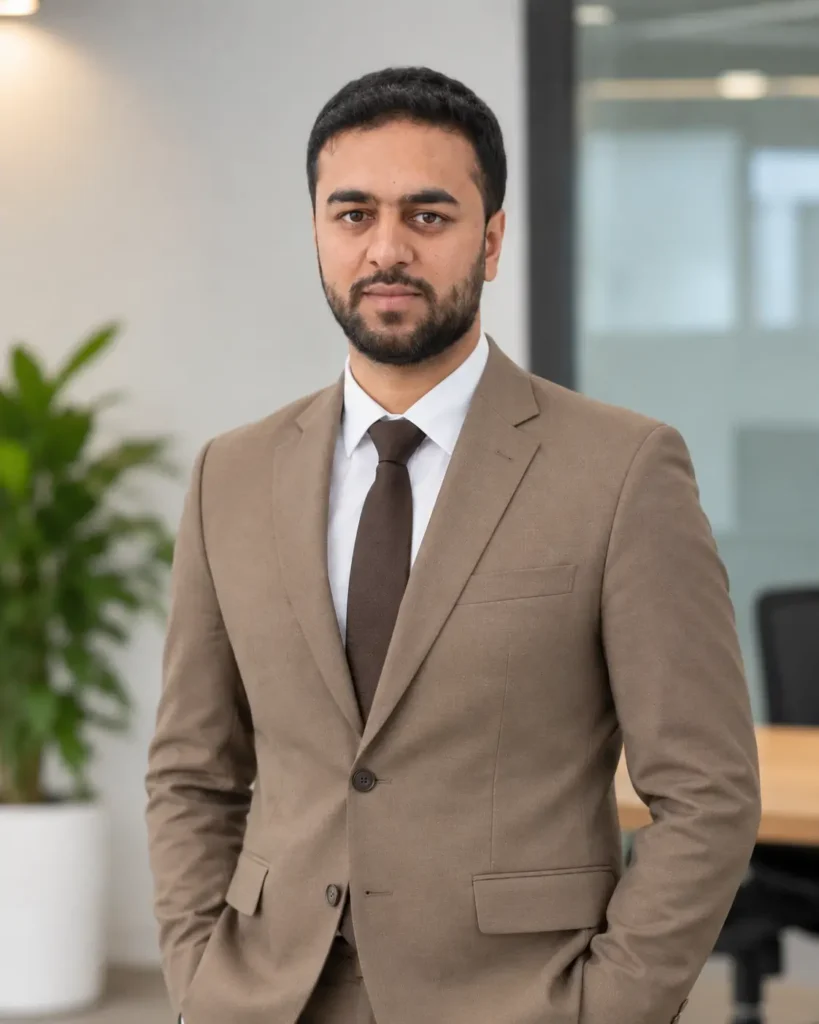
Web Designer
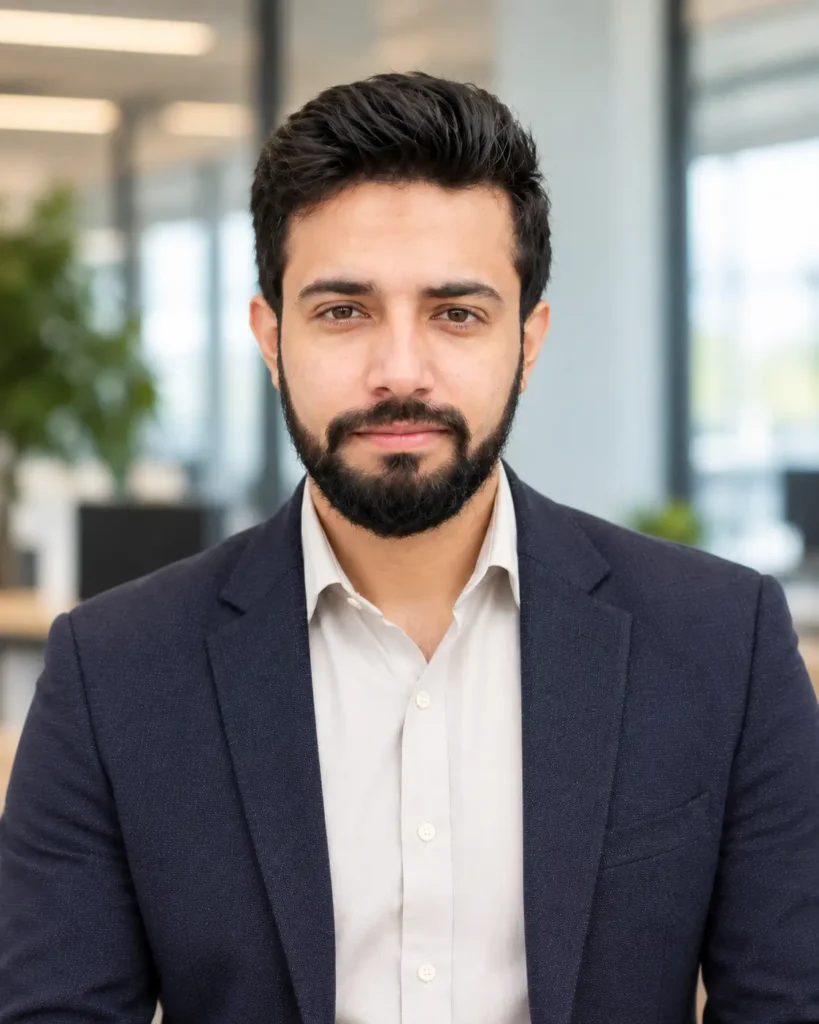
Web Designer

Web Designer
03 What we believe
They shape every project, whatever the size.
We design around what your customer needs to see before they call, not around a template.
You see the price and the launch date before you commit.
Domain, hosting, design files, logins. If you leave, you take it all.
04 Numbers
The figures we’re asked for most, and when we’re online in your time.
05 Registered
You’re hiring a registered company, not an anonymous profile.

Next Nova Technologies (Pvt) Ltd is registered with Pakistan’s Securities and Exchange Commission.

Registered with the Pakistan Software Export Board.

Registered with Pakistan’s Federal Board of Revenue.
Book a free 15-minute call. You’ll leave with a clear plan and a fixed price, whether you hire us or not.